
How to manage retail inventory: a practical starting system
Build a usable stock register, separate sales from adjustments, and use a simple replenishment worksheet before automating your shop.
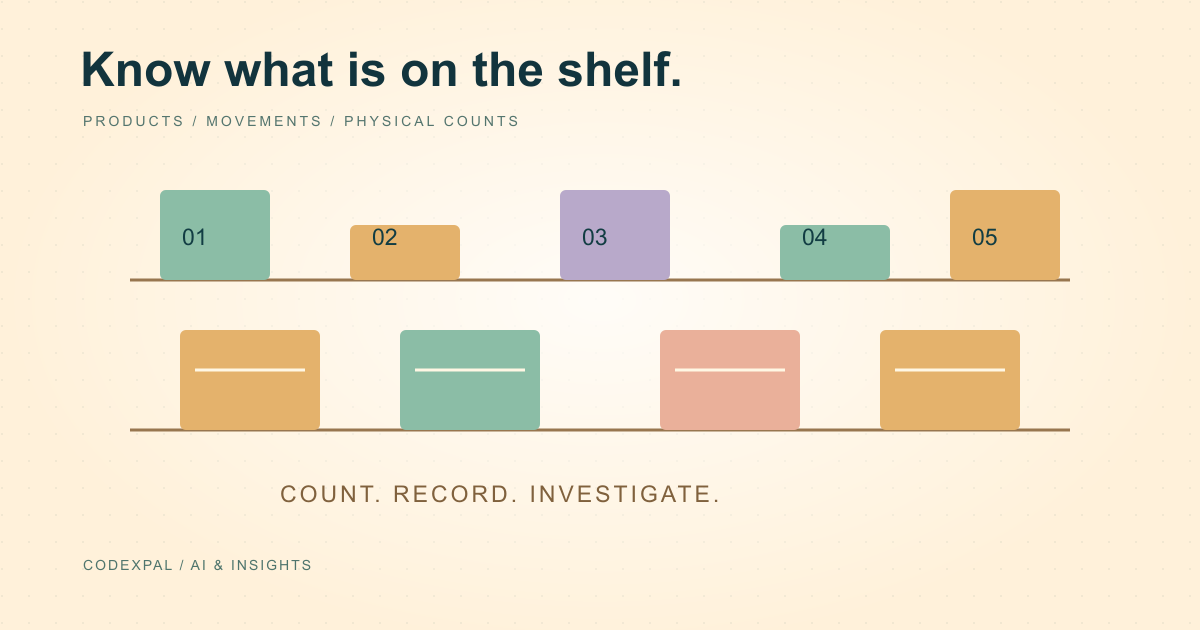
An inventory system needs to answer three ordinary questions: what should be on the shelf, what actually is on the shelf, and why the two differ. Start with consistent product names and recorded movements. Software helps most when the underlying routine is already understandable to the people receiving and selling goods.
Give each sellable item a stable identity
Use an identifier for each product variant and decide what one unit means. A box, packet and single item should not silently share a quantity field. Record the conversion if your shop buys in one unit and sells in another.
Keep the first product register small enough to clean. Include the identifier, readable name, unit and storage location. Add details only when someone uses them in a real decision; a complicated form that staff skip produces a weak stock record.
Record movements as events
Separate received purchases, sales, returns, transfers and adjustments. For each movement, keep a date, quantity, reason, reference and responsible person. An adjustment should explain a discrepancy rather than hide it.
For an illustrative item, opening quantity 20 plus receipts 12 minus sales 9 gives an expected quantity of 23. If the physical count is 21, investigate the difference of two units. Do not simply overwrite 23 with 21 and lose the explanation.
| Movement | Quantity | Running expectation |
|---|---|---|
| Opening count | 20 | 20 |
| Purchase received | +12 | 32 |
| Sales recorded | −9 | 23 |
| Physical count | 21 | Investigate a difference of 2 |
Build a replenishment worksheet
Estimate how many units sell during the time it takes to receive another order. Add a buffer suited to your uncertainty and review it against actual demand. If an item sells about three units a day and takes four days to arrive, twelve units cover the illustrative lead-time demand before any buffer.
That calculation is a starting assumption, not a guarantee. Review changing demand, delivery delays, minimum order quantities and items that expire. Keep the source of the assumptions visible so another person can update them.
Connect inventory to the rest of the shop
Schedule small cycle counts instead of waiting for a large year-end surprise. Prioritise items that are valuable, fast-moving or regularly disputed. Record the investigation and approve the correction.
When the routine is clear, test whether a connected system can carry purchases, sales and stock movements without repeated entry. Confirm how returns and multiple locations work before adopting it.
The takeaway
Use stable item identities, explicit movement records and regular physical checks. Automate that routine after the team can explain it.
More to think about.
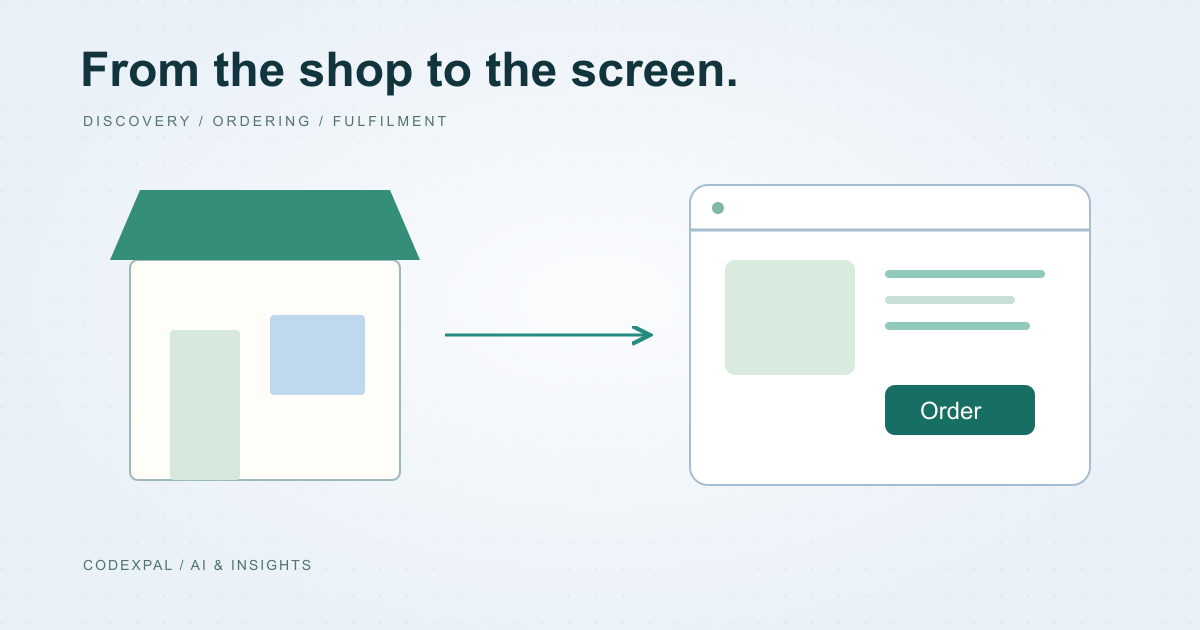
From an offline shop to an online store: a practical roadmap
Separate being discovered from taking orders, accepting payments and fulfilling them. Start with one complete customer journey.
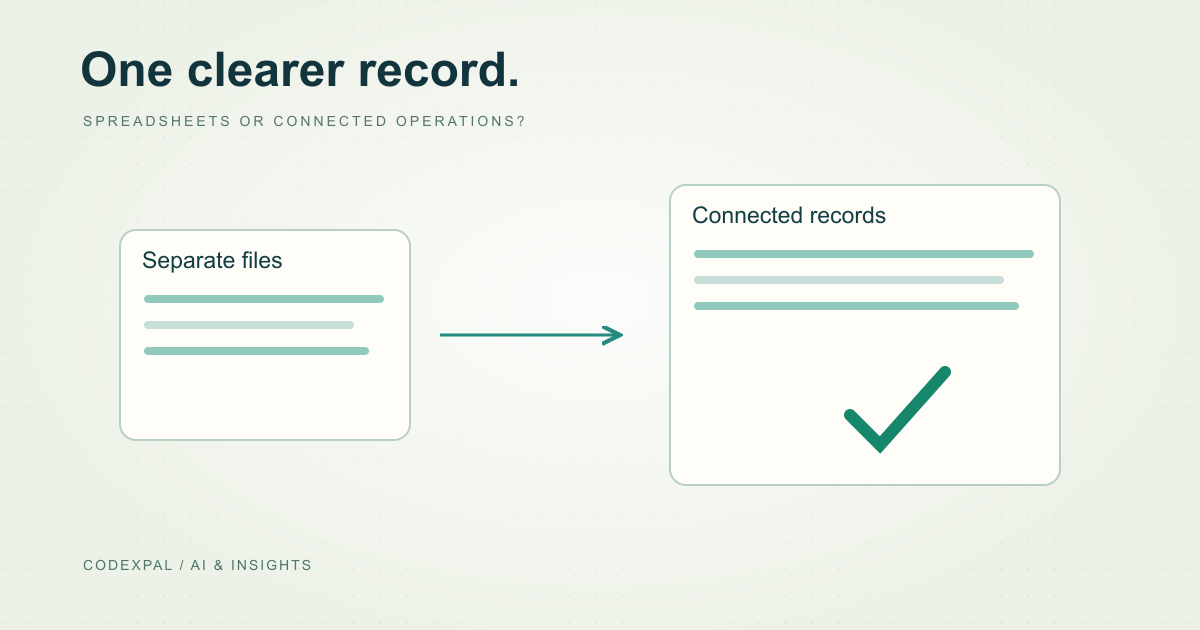
Accounting software vs Excel: choose around your business workflow
A practical decision worksheet for small businesses moving from separate spreadsheets to connected purchasing, inventory and sales records.